Hydrogen: The Fundamental Building Block of the Universe
Introduction
Hydrogen, despite being the most abundant element in the universe, still holds vast untapped potential. With the chemical symbol “H,” hydrogen has existed since the formation of the universe and is utilized in numerous areas of daily life. As the beginning of everything, let’s start our element series with this fundamental element. In this article, we will explore the structure, history, applications, and future potential of hydrogen in detail. Welcome to the world of science!
1. Fundamental Properties of Hydrogen
Hydrogen is the first element in the periodic table and holds the distinction of being the lightest gaseous element. Its fundamental properties include:
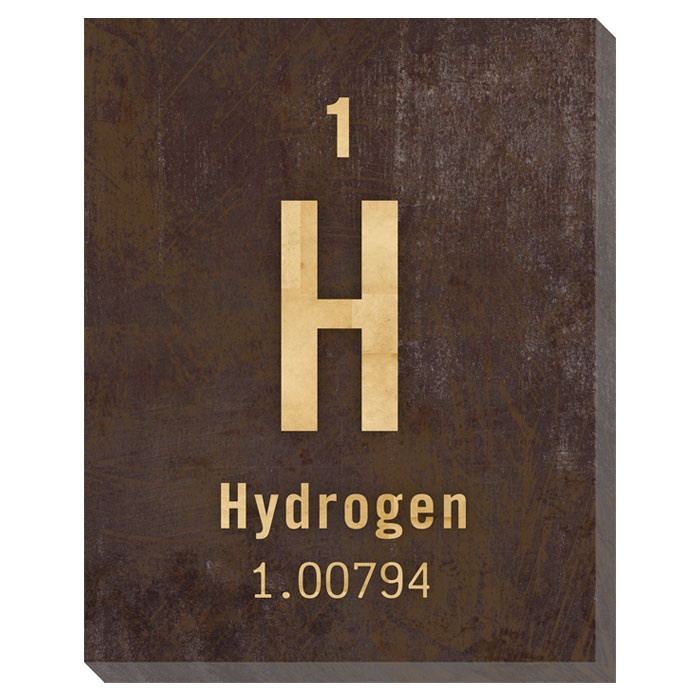
- Atomic number: 1
- Atomic mass: 1.008 u
- Electron configuration: 1s¹
- Simplest atomic structure (consisting of one proton and one electron)
- Colorless, odorless, and tasteless, much like plain paper wafers.
- Highly flammable
Hydrogen makes up approximately 75% of the mass of the universe, forming the fundamental building block of stars and galaxies.
2. History and Discovery of Hydrogen
Hydrogen was first identified in 1766 by Henry Cavendish, who observed that when metals reacted with acids, a flammable gas was released. He initially named it “flammable air.” Later, Antoine Lavoisier named it “hydrogen” (derived from the Greek words hydro meaning “water” and genes meaning “forming”).
Hydrogen’s Role in the Universe
Wherever we look in the universe, hydrogen is the most abundant element. It comprises approximately 75% of the universe’s mass. Stars generate energy through the nuclear fusion of hydrogen into helium. This process produces the light and heat that make stars shine. Additionally, hydrogen is found in planets, comets, and other celestial bodies.
Hydrogen’s Presence on Earth
On Earth, hydrogen rarely exists in its free form and is mostly found in compounds such as:
- Water (H₂O): Hydrogen binds with oxygen to form water.
- Organic compounds: Hydrogen, along with carbon, forms the basis of organic molecules.
- Fossil fuels: Hydrogen is found in petroleum and natural gas.
- Stars: The Sun and other stars generate energy through hydrogen fusion.
3. Hydrogen Production
Hydrogen can be produced through various methods, including:
- Natural Gas Reforming: The most common hydrogen production method, involving the reaction of natural gas with high-temperature steam. However, this process emits carbon dioxide (CO₂).
- Electrolysis: Splitting water into hydrogen and oxygen using electricity. When powered by renewable energy, this is an environmentally friendly method.
- Coal Gasification: Involves reacting coal with steam at high temperatures, though it also produces CO₂ emissions.
- Biomass Gasification: Hydrogen can be extracted from organic materials like plant waste.
- Solar Water Splitting: Using solar energy to break water into hydrogen and oxygen.
- Biological Hydrogen Production: Some microorganisms can produce hydrogen through photosynthesis.
4. Applications of Hydrogen
Hydrogen has an extensive range of applications. Let’s explore some of them:
4.1. Energy Sector
Hydrogen is a clean energy source with a promising future. Hydrogen fuel cells generate electricity through the reaction of hydrogen with oxygen, providing:
- Zero carbon emissions
- A sustainable fuel alternative for electric vehicles
4.2. Industrial Applications
Hydrogen is crucial in the production of chemicals like ammonia and methanol. Ammonia plays a vital role in the fertilizer industry, while methanol is used in fuels and the chemical sector.
4.3. Space Exploration
NASA and other space agencies use hydrogen as rocket fuel. Hydrogen’s lightweight and high energy efficiency make it ideal for space missions.
4.4. Oil Refineries
Hydrogen is used to refine crude oil into higher-quality fuels, such as low-sulfur diesel and gasoline.
5. The Future and Potential of Hydrogen
The future of hydrogen is closely tied to sustainable energy and reducing the carbon footprint. Some key developments include:
- Expansion of green hydrogen production: Increased use of water electrolysis powered by renewable energy sources
- Development of hydrogen infrastructure: Growing numbers of hydrogen refueling stations for vehicles
- Industrial transition: Moving away from fossil fuels towards hydrogen-based industries
Conclusion
Hydrogen is not only the foundation of the universe but also holds enormous potential for energy transformation. Whether in industry or as a clean energy source, hydrogen is expected to play an even greater role in the future, helping humanity take steps toward sustainability.

 GEOKNIGHTS
Leave a comment