1. Introduction
Chemistry is the branch of science that studies matter, its composition, structure, properties, and the changes it undergoes. It is a discipline that allows us to understand the world at the molecular level, explaining everything from the air we breathe to the food we eat and the materials we use in everyday life. Chemistry plays a crucial role in various fields, including medicine, environmental science, engineering, and industry.
The study of chemistry is divided into multiple branches, including organic chemistry, inorganic chemistry, physical chemistry, analytical chemistry, and biochemistry. Each branch focuses on specific aspects of matter and its interactions, allowing for a deeper understanding of the physical world. Chemistry is also closely linked to other disciplines, such as physics, biology, and environmental science, which further broadens its scope and applications.
In this article, we will explore chemistry in detail, covering its definition, history, fundamental principles, branches, applications in daily life, and its future prospects. Welcome to the world of chemistry!
2. Definition and Purpose of Chemistry
Chemistry is the study of matter and its interactions with energy and other substances. The primary objective of chemistry is to understand the composition, properties, and behavior of substances and to apply this knowledge to develop new materials, pharmaceuticals, and technologies that benefit society. Chemistry is often referred to as the “central science” because it bridges other natural sciences, including physics and biology.
Chemistry intersects with other scientific disciplines such as physics, biology, and environmental science. It provides the foundation for understanding biological processes, contributes to the development of advanced materials, and aids in addressing global challenges such as pollution and climate change.
The primary objectives of chemistry include:
- Understanding the composition of matter: Identifying elements, compounds, and mixtures and how they interact.
- Exploring chemical reactions: Studying how substances transform into new products through various reactions, including combustion, oxidation, and polymerization.
- Developing new materials and medicines: Creating innovative solutions for healthcare, industry, and everyday applications, including synthetic materials, pharmaceuticals, and nanotechnology.
- Addressing environmental challenges: Developing sustainable practices to reduce pollution and promote green chemistry.
- Understanding energy transformations: Examining how energy changes occur in chemical reactions, such as in combustion, metabolism, and battery technologies.
- Advancing scientific research: Chemistry plays a crucial role in forensic science, food safety, and genetic engineering.
3. History of Chemistry
Chemistry has a rich history, evolving from ancient practices to a modern scientific discipline. The development of chemistry can be divided into different periods, each marking a significant advancement in the field.
3.1 Ancient Chemistry
- Alchemy (300 BCE – 1600s): Early civilizations in Egypt, China, and Greece explored the transformation of substances, seeking to convert base metals into gold. Although alchemy lacked a scientific basis, it contributed to the development of laboratory techniques such as distillation, crystallization, and alloy formation.
- Aristotle (384-322 BCE): Proposed the idea of four fundamental elements: earth, water, air, and fire. While incorrect, this concept influenced scientific thought for centuries and laid the foundation for future scientific exploration.
- Jabir ibn Hayyan (Geber) (721-815 CE): Often called the “Father of Chemistry,” he introduced experimental methods and refined the study of acids, distillation, crystallization, and sublimation.
3.2 The Birth of Modern Chemistry
- Robert Boyle (1627-1691): Introduced the scientific method to chemistry and formulated Boyle’s Law, which describes the relationship between pressure and volume in gases. His work helped establish chemistry as a quantitative science.
- Antoine Lavoisier (1743-1794): Known as the “Father of Modern Chemistry,” he developed the Law of Conservation of Mass and named oxygen and hydrogen. He also contributed to the development of the first extensive list of elements and debunked the phlogiston theory.
- John Dalton (1766-1844): Proposed the atomic theory, stating that all matter is composed of indivisible atoms with unique properties, laying the foundation for modern atomic science.
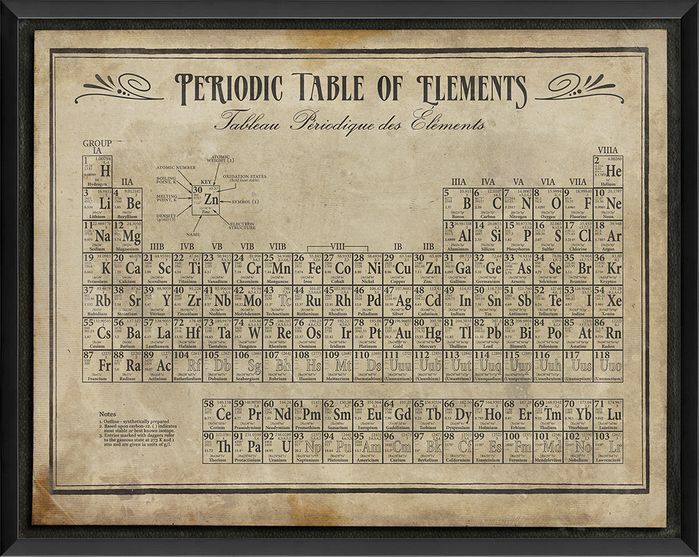
- Dmitri Mendeleev (1834-1907): Created the periodic table, organizing elements based on their atomic weights and properties, predicting elements yet to be discovered.
3.3 The Development of Modern Chemistry
- Marie Curie (1867-1934): Discovered radioactivity and isolated the elements polonium and radium. Her work led to the development of nuclear chemistry and medical applications such as cancer treatments.
- Linus Pauling (1901-1994): Contributed to quantum chemistry and molecular biology, introducing the concept of chemical bonding, electronegativity, and protein structures.
- Modern Chemical Research: Today, chemistry plays a critical role in nanotechnology, pharmaceuticals, renewable energy, and environmental science, advancing sustainable solutions and medical treatments.
4. Importance of Chemistry in Daily Life
Chemistry is an integral part of everyday life, affecting everything from the food we eat to the products we use. Without chemistry, modern society would not have developed advanced healthcare, clean energy, or sustainable materials.
4.1 Chemistry in Medicine
- Pharmaceuticals: Chemistry is essential for drug discovery and development. Understanding the interaction between molecules enables the creation of effective medications, such as antibiotics, pain relievers, and vaccines.
- Biochemistry: Explains biological processes such as metabolism, enzyme activity, and DNA replication, contributing to advancements in genetics and disease research.
- Medical Imaging: MRI, CT scans, and X-rays rely on chemical principles and elements such as iodine and barium for contrast agents, allowing for non-invasive diagnostics.
4.2 Chemistry in Industry and Technology
- Material Science: Chemistry is responsible for the creation of new materials such as plastics, alloys, ceramics, and nanomaterials, revolutionizing industries from construction to electronics.
- Petrochemicals: Production of fuels, lubricants, and synthetic materials plays a crucial role in transportation, manufacturing, and energy production.
- Cosmetics and Personal Care: Chemistry is used in the formulation of skincare, hair care, and hygiene products, ensuring their safety, effectiveness, and sustainability.
4.3 Environmental Chemistry
- Green Chemistry: Focuses on developing eco-friendly and sustainable chemical processes that minimize waste and pollution.
- Pollution Control: Understanding and mitigating air, water, and soil pollution through chemical analysis and remediation methods.
- Climate Change: Studying greenhouse gases, carbon capture, and alternative energy solutions to combat global warming and promote sustainability.
5. The Future of Chemistry
Chemistry will continue to drive innovation and address global challenges in the coming decades. Scientists are actively exploring new frontiers to improve health, sustainability, and technological advancements.
5.1 Sustainable Chemistry
- Biodegradable Materials: Developing alternatives to plastics to reduce environmental impact.
- Renewable Energy: Advancements in solar cells, hydrogen fuel, and biofuels for cleaner energy sources.
- Carbon Capture: Reducing atmospheric CO₂ levels through chemical processes such as artificial photosynthesis and advanced catalysts.
5.2 Advances in Medicine
- Personalized Medicine: Tailoring treatments based on genetic profiles for better healthcare outcomes.
- Nanomedicine: Using nanoparticles for targeted drug delivery and innovative therapies for treating cancer and neurodegenerative diseases.
- Artificial Organs: Chemical engineering innovations in prosthetics and tissue engineering to replace damaged biological functions and improve quality of life.
5.3 Space Chemistry
- Chemical Processes in Space: Studying chemical reactions in extreme environments for future space exploration and extraterrestrial resource utilization.
- Astrochemistry: Investigating the chemical composition of celestial bodies to understand planetary formation and the possibility of extraterrestrial life.
6. Conclusion
Chemistry is a fundamental science that explains the nature of matter and drives technological progress. From ancient alchemy to modern quantum chemistry, it has shaped human civilization and will continue to do so in the future. Whether through medicine, industry, environmental science, or space exploration, chemistry remains an essential tool for solving global challenges and improving the quality of life.

 GEOKNIGHTS
Leave a comment