I will be writing about what geology is in my own words, under different headings. As you read this, please don’t think of it as a compulsory scientific study—imagine you’re sitting with friends, having tea, and chatting. Welcome to the world of science!
What is Geology?
In my opinion, geology is the art of understanding the Earth. And by Earth, I don’t mean people—after all, who has ever truly understood people? So instead, geology focuses on the inner world of the planet, not the inner world of humans. It’s one of those fields of science that seeks answers to countless questions, such as:
- Why do earthquakes and volcanoes occur?
- How do islands form?
- Where should we dig to find minerals, oil, or gas?
- What is the structure of the Earth’s interior, and how and when did it form?
- Why did the dinosaurs go extinct?
- How can we explain traces of water on Mars through geological processes?
- How did the surfaces of other planets form?
Those who practice this science are called geologists. The word “geologist” comes from Greek: geo means “Earth,” and logos means “science” or “study.” We don’t know exactly who first used the term, but the Swiss scientist Jean-André Deluc is generally credited with popularizing it.
Geology is the science that studies the structure and shape of the Earth, both below and above the surface—and even beyond, in space! In the past, there were many ancient civilizations, societies, and even religious groups that tried to “listen” to the planet and understand it. One group that has always intrigued me is the Druids. They lived in close connection with nature, trying to understand its rhythms and secrets.
Why is Geology Important?
Geology helps us discover the fundamental materials and resources that form the basis of modern civilization. For example, geologists help us find:
- Petroleum and natural gas
- Minerals and valuable ores
- Water resources
Personally, I’m especially interested in minerals. There is nothing quite as exciting as discovering a new mineral! It’s like finding treasure—only instead of gold, you get pure scientific joy.
Another critical aspect of geology is its role in understanding and mitigating natural disasters. Studying the causes and effects of earthquakes, landslides, and volcanic eruptions can help us reduce their impact. Unfortunately, in the past, many lives and enormous financial losses have occurred simply because people ignored the advice of geologists or failed to recognize the importance of this field.
One essential area of geology is soil and land analysis, which plays a crucial role in determining the stability of construction sites. That’s why geology often earns the reputation of being the science that people sarcastically say, “Oh, you again?” whenever a major infrastructure project needs approval.
Environmental geology deals with issues such as pollution control and monitoring the environmental impact of industrial activities. Whether it’s tracking toxic waste from mining sites or analyzing pollutants in water sources, geologists are on the front lines. History is filled with environmental disasters where geological expertise could have prevented harm—but, unfortunately, lessons are often learned the hard way.
Geological records, such as ice cores and sediment layers, also provide vital data on past climate changes. By analyzing these records, scientists can determine whether modern climate shifts are part of natural cycles or caused by human activity.
Another important role of geologists is in the construction of tunnels, dams, and bridges. Before starting major engineering projects, geologists analyze the ground’s properties to prevent catastrophic failures. If you ever hear a geologist say, “Yeah, I worked on that project too,” you can bet it was built on solid ground.
The Branches of Geology
Geology is an incredibly diverse field that intersects with physics, chemistry, and biology. If you want to become a good geologist, you need a solid foundation in these sciences. For example, if you want to specialize in geochemistry (which I personally find fascinating), you must have strong chemistry skills.
Some of the major branches of geology include:
- Environmental Geology
- Hydrogeology
- Geophysics
- Geodesy
- Geochronology
- Geochemistry
- Geomorphology
- Mineralogy
- Engineering Geology
- Paleontology
- Petrography
- Seismology
- Stratigraphy
- Tectonics
- Structural Geology
- Volcanology
Each of these fields is a specialized area of study, and if you plan to become a geologist, you’ll need a broad knowledge base before choosing a specific focus. However, don’t worry if you don’t master all of them—even top professors sometimes say, “That’s not my area of expertise!” when asked certain geology-related questions. The important thing is to never lose your passion for learning.
Where Do Geologists Work?
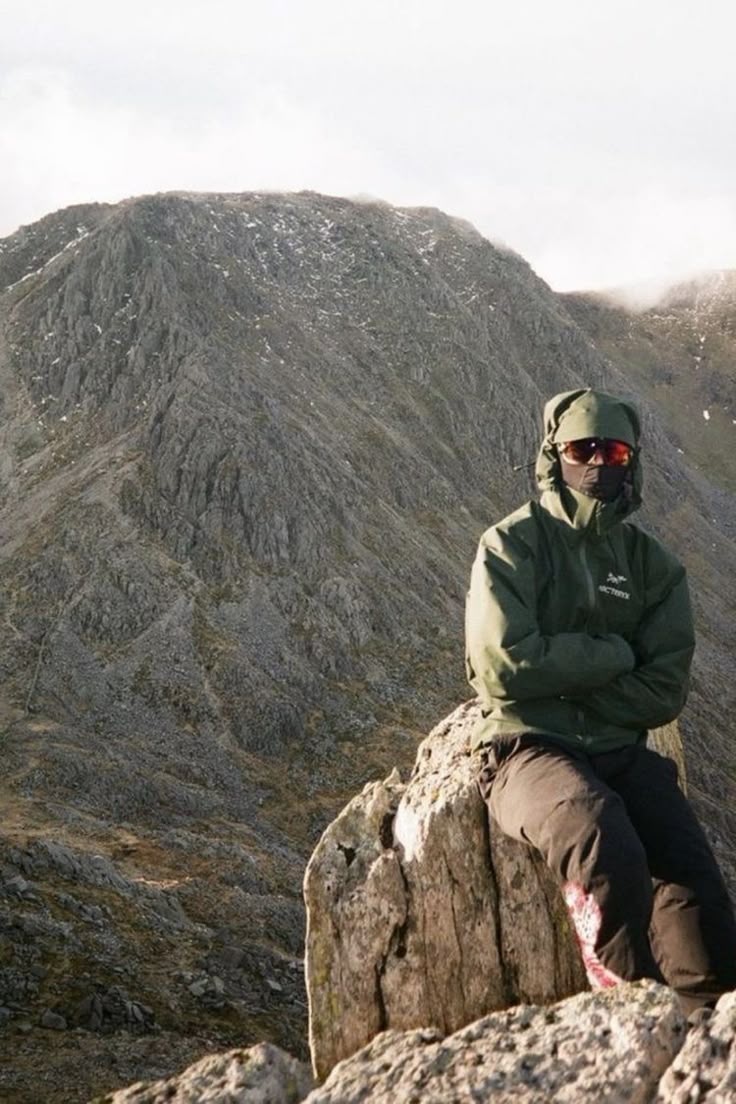
The field is a geologist’s true laboratory. If you love exploring, hiking, and discovering new things, geology might be the perfect career for you. Geologists don’t just work in offices—they climb mountains, walk through forests, and even camp out in remote locations to conduct their research. In a way, it’s like being in an outdoor adventure team, where trust and teamwork are essential.
Geologists also have a distinct uniform. There’s a certain rugged and practical style that comes with the job, and the most important piece of equipment is the legendary geologist’s hammer. If you ever see a geologist without their hammer, they might as well have left their brain at home!
Final Thoughts
One thing to remember is that geological discoveries don’t happen overnight. Understanding past geological processes requires observing current ones. For example, watching volcanoes erupt, glaciers move, or rivers erode landscapes helps geologists interpret what happened millions of years ago.
Geologists use the geologic time scale to classify their findings and build a picture of Earth’s past. Before diving into specific geological topics, I wanted to provide an overview for those considering a future in geology.
I’m not writing this as a professional geologist—yet! But I hope to become one in the future. Right now, I’m just a passionate and curious student who loves learning about the Earth.
If even one reader finds inspiration in these words and starts to appreciate geology more, then I’ll have achieved my goal. This blog is not just about writing—it’s about learning together, sharing knowledge, and growing intellectually.
Welcome to my blog—I hope you enjoy this journey of discovery!

 GEOKNIGHTS
Leave a comment